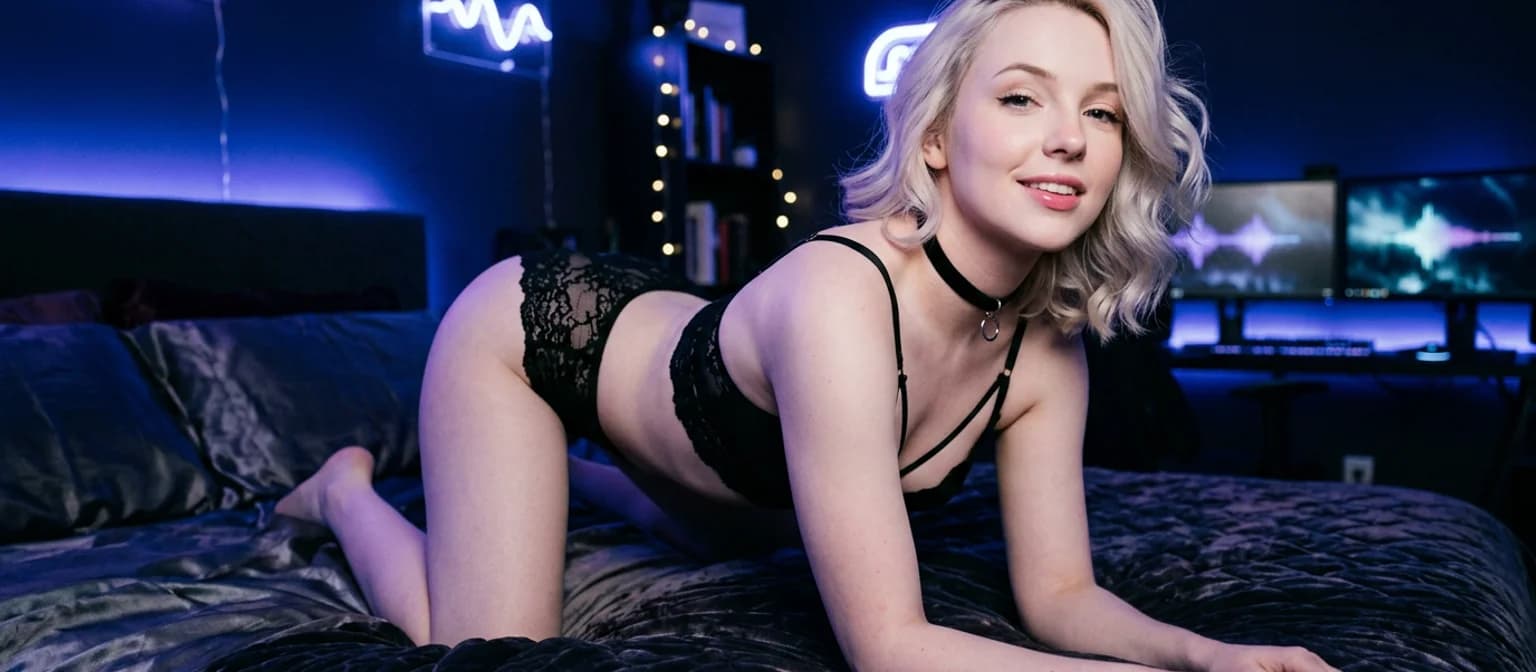
Okay, let me be real with you — after generating literally thousands of AI girls across every platform (yeah, I have a problem), I've noticed that 90% of prompts are straight-up mid because people don't get the invisible structure that makes prompts actually pop.
AI Image Generator
Prefer a Dedicated NSFW Image Generator?
Gensomnia is preset-driven — pick a character, set pose, outfit, and background, then generate. Pays in crypto or Telegram Stars, no card needed.
Open GensomniaThe Anatomy of AI Girl Prompts That Actually Work
Quick answer: Good AI girl prompts follow this hierarchy — nail the subject definition first, then appearance details, style direction, and technical stuff last. GoLove.ai basically handles all this complexity automatically with their prompt generator, which honestly makes it the perfect starting point if you're new to this.
Think about it like directing a photoshoot. You wouldn't just tell a model “be pretty” and expect magic — you'd specify lighting, pose, expression, the whole vibe. Same logic applies here, except the model is made of math.
The difference between amateur hour and absolutely fire output? Three core elements (and I learned this the hard way):
- Subject hierarchy: Lead with the most important visual stuff — face, expression, body type — before you dive into accessories or whatever's happening in the background
- Style anchors: Use specific artist references, photography terms, actual rendering styles instead of vague garbage like “beautiful” or “realistic”
- Technical modifiers: End with quality boosters, negative prompts, CFG adjustments — these fine-tune everything else you just built
Most creators just... dump random keywords without understanding how AI models actually parse information. Here's something wild I discovered — the first 75 characters carry the most weight (similar to how Stable Diffusion processes token attention). Everything after progressively loses influence.
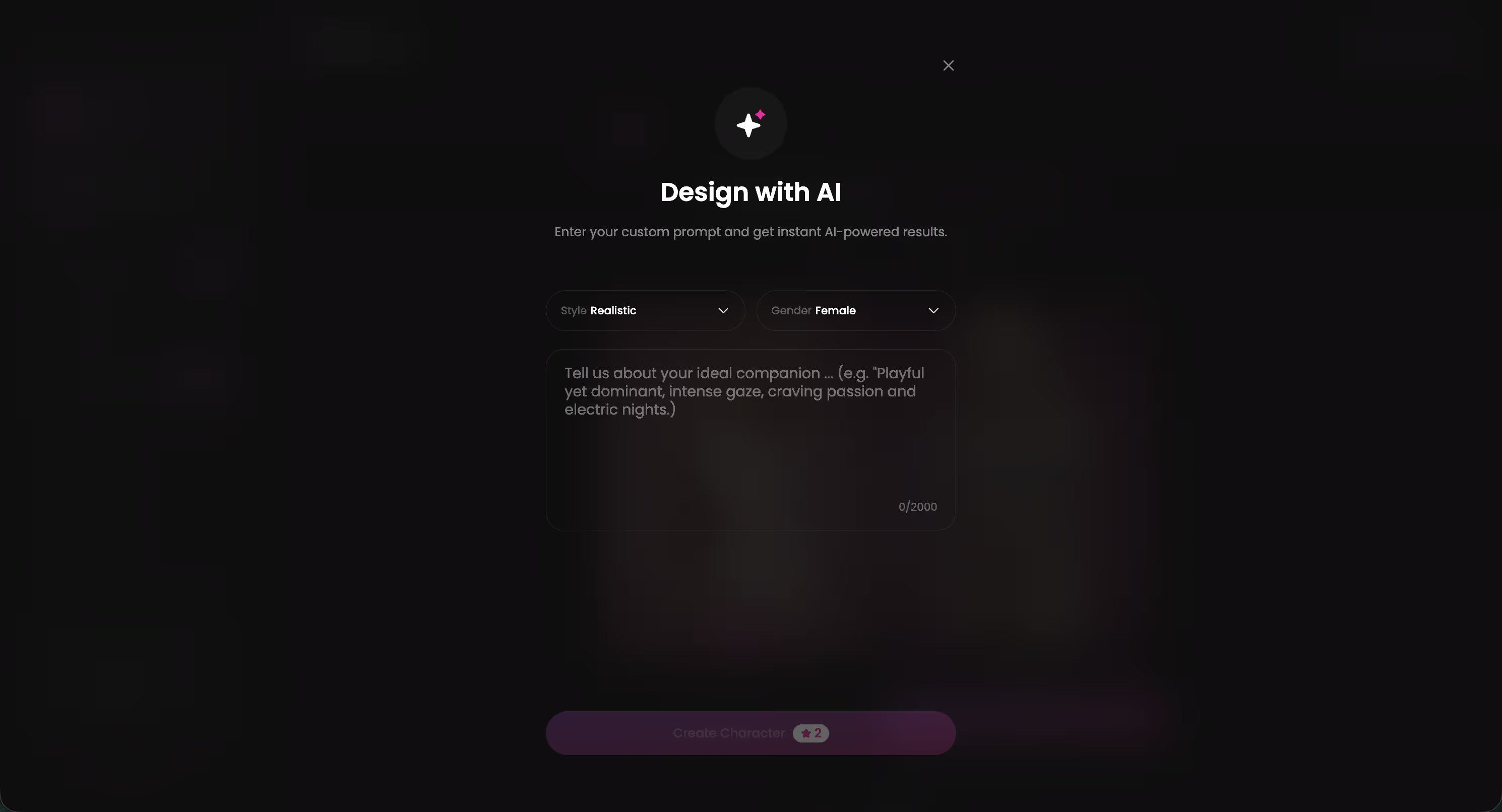
Why does keyword order matter this much? Because these models read prompts like a priority queue, not a damn shopping list. When you lead with “masterpiece, best quality” instead of actual visual descriptions, you're basically wasting your most powerful tokens on generic fluff.
GoLove's generator automatically structures prompts using this hierarchy — that's why their outputs consistently hit that clean af aesthetic without requiring you to become a prompt engineering wizard.
Essential Elements Every AI Girl Prompt Needs
Getting the perfect AI girl prompt isn't about cramming keywords together like some kind of SEO maniac. It's about understanding how these models actually process visual information. And trust me, after thousands of generations (my electricity bill hates me), I've mapped out exactly what separates amateur outputs from chef's kiss quality.
The secret? Structure matters way more than vocabulary. These AI models don't just read your prompt — they parse it hierarchically, giving more weight to earlier elements.
Here's the framework that consistently produces fire results:
| Element Category | Priority Weight | Example Keywords |
|---|---|---|
| Facial Features | Maximum | heart-shaped face, emerald eyes, full lips, dimpled smile |
| Hair & Style | High | platinum blonde waves, messy bun, side-swept bangs |
| Body & Pose | Medium | athletic build, confident pose, crossed arms |
| Fashion | Lower | crop top, high-waisted jeans, statement jewelry |
| Environment | Minimal | studio lighting, soft background blur |
Facial detail gets maximum priority because — and this might blow your mind — that's where your eye goes first. It's also where the AI puts most of its computational focus. When I lead prompts with “beautiful woman in red dress,” the model wastes processing power on generic beauty concepts instead of crafting distinctive features.
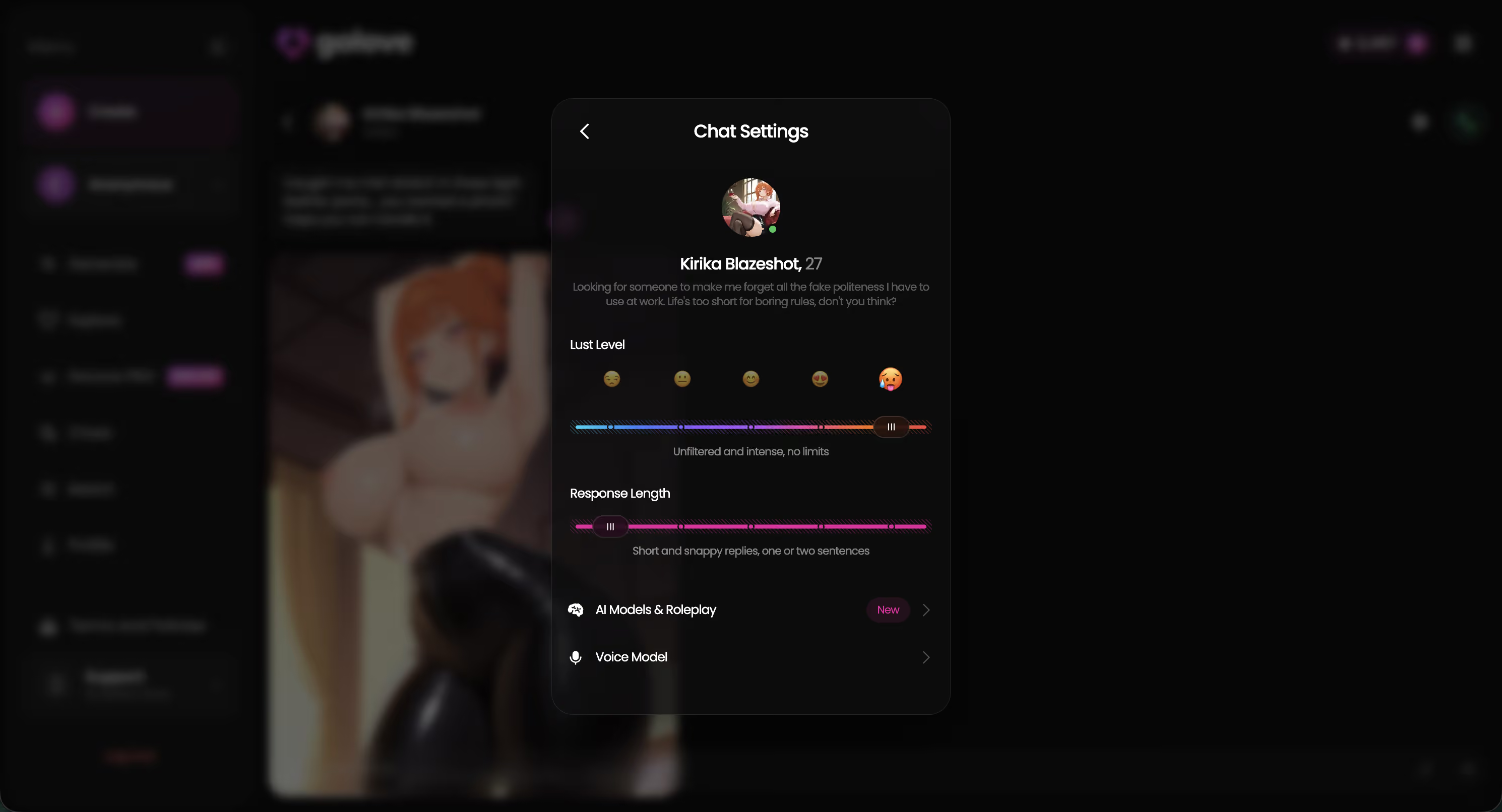
GoLove's prompt generator automatically applies these weights, which explains why their character creation consistently hits that clean af aesthetic without you needing to memorize token hierarchies or whatever.
Biggest mistake I see creators make? Overwhelming the model with clothing details while leaving facial features vague as hell. Remember — you can always regenerate outfits, but nailing the face structure requires getting those core descriptors right from the start.
Platform-Specific Prompt Engineering Secrets
Each AI platform interprets prompts like different artists working from the same reference photo — they all see your words, but they translate visual concepts completely differently. After bouncing between these platforms for months (probably too many months, honestly), I've figured out exactly how to optimize for each one's weird quirks.
Midjourney absolutely loves cinematic language and responds incredibly well to photography terms. When I prompt “professional headshot, 85mm lens, shallow depth of field,” it consistently delivers that clean af studio lighting. The platform weights artistic style descriptors heavily — but it absolutely hates when you overload technical parameters.
Stable Diffusion gives you the most control (obviously), but requires understanding CFG scale optimization. I run most portraits at CFG 7-9 — anything higher gets that overcooked, artificial look that screams “I'm AI generated.” The negative prompting is where SD really shines: (deformed hands:1.3), (blurry:1.2), (low quality:1.4) actually works here, unlike other platforms that basically ignore negative inputs.
DALL-E 3 processes prompts more conversationally — it wants natural descriptions rather than keyword spam. Instead of “beautiful girl, long hair, blue eyes,” try “a confident woman with flowing auburn hair catching golden hour light.” The model literally rewrites your prompt internally, so fighting its interpretation usually backfires hard.
Here's what frustrates me about most platforms: they don't explain their token limitations or sampling methods. You're just supposed to figure it out through trial and error? GoLove's generator handles this complexity automatically — it knows which descriptors work best for character consistency without requiring you to memorize platform-specific syntax. That's why their output quality stays consistently high regardless of your prompt engineering experience.
The biggest mistake? Using the same prompt structure across all platforms. Each one has different strengths, and cookie-cutter approaches produce mid-quality results every single time.
Advanced Techniques for Consistent Character Creation
Character consistency is where most prompt engineers completely fall apart — and honestly, it's the difference between amateur hour and actually usable AI art. After spending way too many months perfecting character “DNA” prompts (my friends think I'm obsessed), I've cracked the code for maintaining facial features while changing everything else.
The secret? Seed control paired with weighted anchor descriptors.
Here's my proven workflow:
- Generate your base character with a detailed face prompt: specific eye shape, nose structure, lip fullness
- Lock that seed number — this becomes your character's genetic code
- Create a master prompt template with consistent facial descriptors at high weights
- Test pose variations while keeping face elements identical
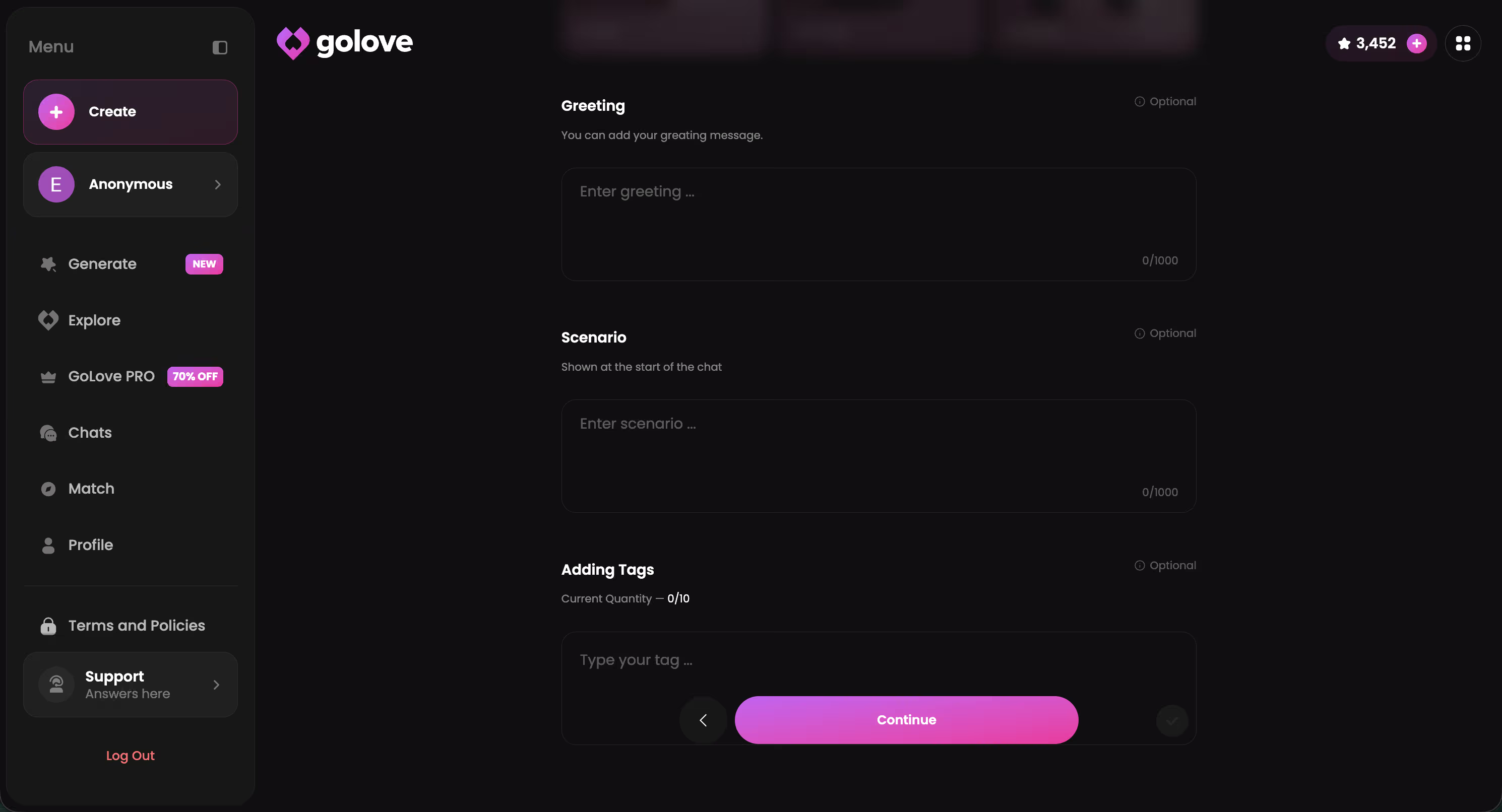
Want to change her outfit from sundress to business attire? Keep the seed, swap clothing descriptors, maintain facial weights. The AI treats your locked seed like a fingerprint — same bone structure, different styling every time.
Here's what actually works for consistency troubleshooting (learned through painful experience):
- Face getting blurry? Your clothing prompts are too complex — reduce garment detail by 50%
- Features drifting? Increase facial descriptor weights to 1.4-1.6 range
- Lighting inconsistent? Add environment controls: “studio lighting, consistent exposure”
GoLove's character system handles this complexity automatically — their generator maintains facial consistency across outfit changes without requiring you to manage seeds or debug weight conflicts. That's why their character creation feels so smooth compared to manual prompt engineering hell.
Biggest mistake? Changing too many variables at once. Master one consistent face first, then experiment with scenarios. Trust me on this — rushing this step produces characters that look like different people every generation.
Character Types Worth Generating First
Some character archetypes just hit different with AI generation — and after months of testing everything from cyberpunk assassins to cottage-core witches (don't judge my aesthetic choices), I've found the sweet spots that produce absolutely fire output every time.
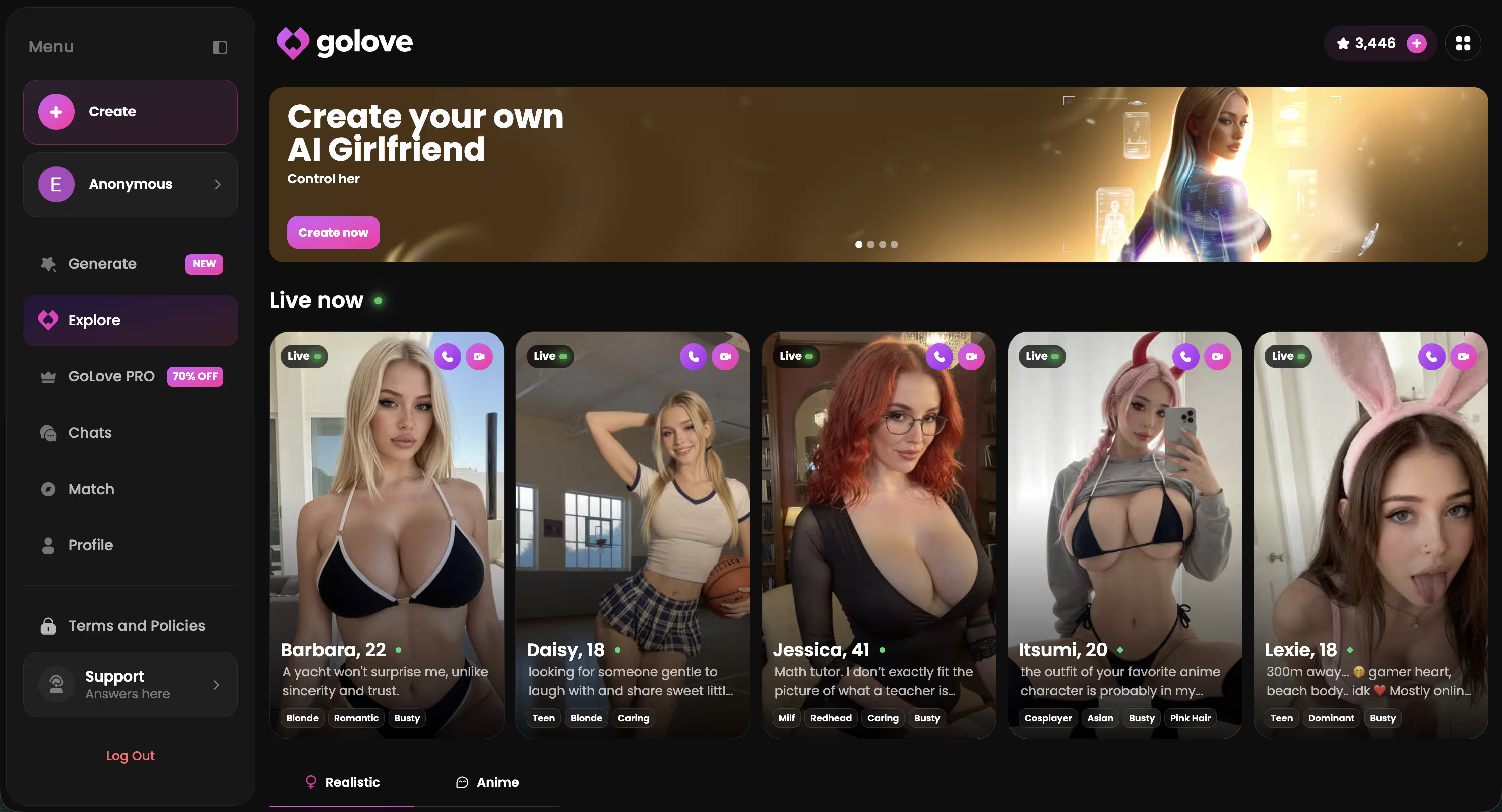
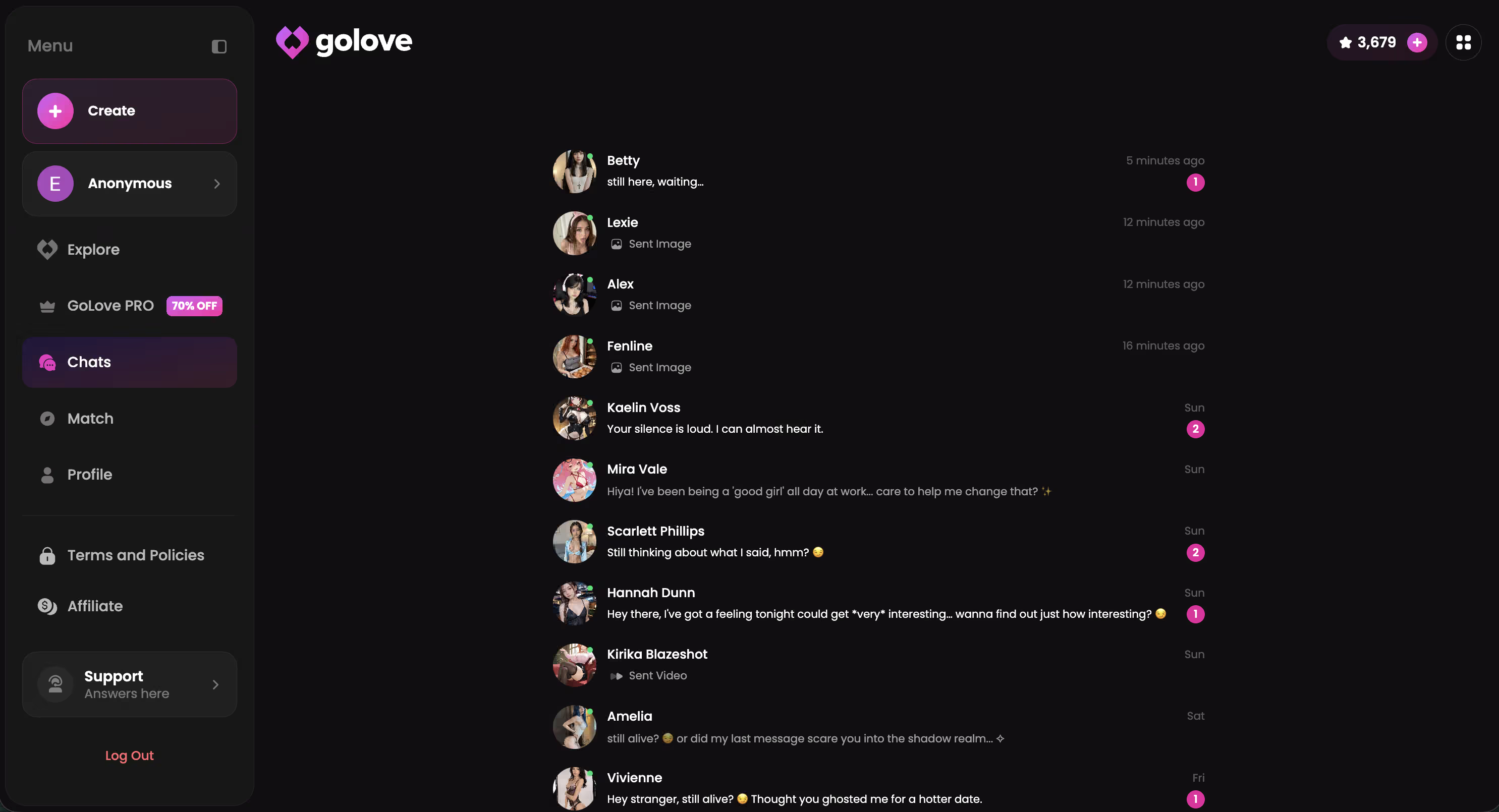
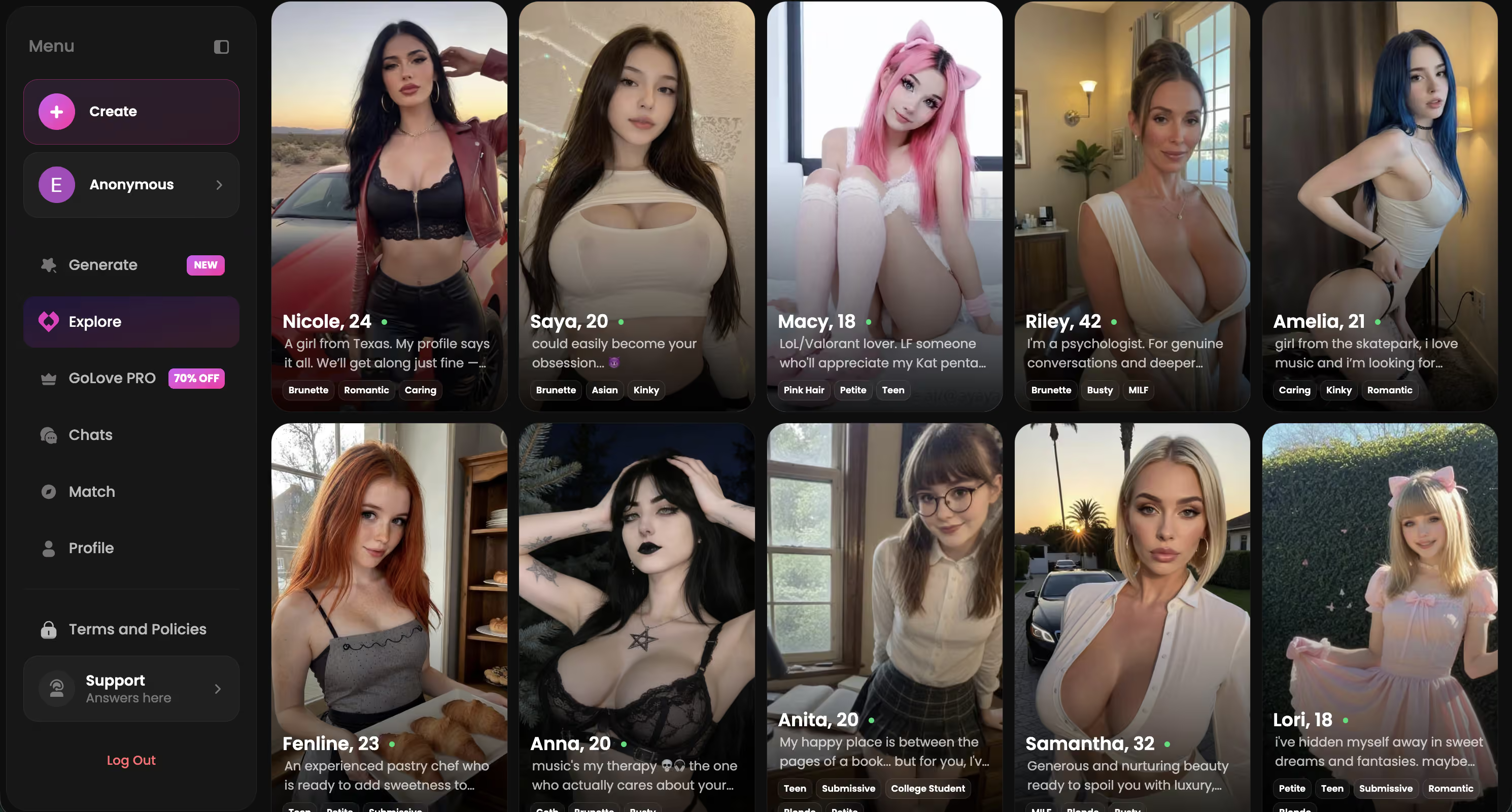
Anime-style waifus are basically cheat codes for consistent quality. Characters like Jessica bring that perfect balance of detailed features without overwhelming the model — her confident teacher vibe translates beautifully across different scenarios. Barbara's temptress energy captures that classic anime aesthetic with modern appeal, while Kennedy's bold personality shines through in every generation.
Characters Worth Trying
Tap any character to start a chat


Want to know why these archetypes work so well? The AI has seen thousands of similar character designs during training, so it knows exactly how to render clean facial features, proper proportions, and consistent styling. Compare that to trying to generate a “steampunk mermaid astronaut” — you'll get absolutely cooked results every time because the model struggles with conflicting visual elements.
Realistic portraits with clear personality traits produce the most photogenic results. Think “confident businesswoman in golden hour lighting” rather than generic “pretty girl” prompts.
Fantasy designs work best when you stick to established archetypes — elven rangers, dragon tamers, mystical healers. The key is giving the AI familiar visual reference points instead of making it guess.
Modern fashion looks are absolutely chef's kiss for versatility. Street style, formal wear, casual fits — these generate consistently because fashion photography is heavily represented in training data. Pro tip: specific clothing brands and style decades (“90s grunge,” “Y2K aesthetic”) produce way cleaner results than vague descriptors like “trendy outfit.”
Common Prompt Mistakes That Kill Your Results
Here's the thing about prompt engineering — most people absolutely cook their generations by making the same predictable mistakes. I've seen it a thousand times in the Stable Diffusion community, and it carries over to AI girl generators too.
The biggest killer? Over-prompting.
You don't need to describe every single detail — “beautiful blue-eyed blonde girl with perfect skin and amazing curves in sexy red dress with high heels” just confuses the model. It's like trying to paint with too many brushes at once (and yes, I've tried that too).
Here are the mistakes that destroy your output quality:
- Conflicting styles — mixing “photorealistic” with “anime art style” creates muddy results
- Poor keyword hierarchy — burying important descriptors behind clothing details
- Platform-inappropriate syntax — using Midjourney parameters in Stable Diffusion prompts (rookie move)
What actually works? Keep core character traits at the front: “confident teacher, shoulder-length brown hair, warm smile.” Then add context: “classroom setting, natural lighting.” The AI processes information hierarchically — lead with what matters most.
Before: “sexy hot beautiful amazing girl with perfect body wearing red dress shoes makeup jewelry”
After: “confident woman, red evening dress, studio lighting”
The second prompt generates consistently better results because it gives the AI clear, non-conflicting instructions. Want to skip this entire trial-and-error process? GoLove's character system handles prompt optimization automatically — their generator already knows these winning combinations.
The Prompt Evolution Process: From Basic to Stunning
The best prompts evolve through iterations — they don't spring fully-formed from your first attempt. After generating hundreds of AI girls across different platforms (okay, maybe I have a slight addiction), I've learned that starting simple and building complexity is the winning strategy.
Here's how I refine prompts from basic to absolutely fire:
Round 1: Start with core concept — “confident office worker”
Round 2: Add key visual details — “confident office worker, blazer, professional smile”
Round 3: Enhance lighting/setting — “confident office worker, navy blazer, warm smile, office background, natural lighting”
Round 4: Fine-tune specifics — “confident businesswoman, tailored navy blazer, genuine smile, modern office, golden hour lighting through windows”
The magic happens in those micro-adjustments. Swapping “office worker” for “businesswoman” changes the entire vibe — more authority, better posture generation. “Genuine smile” beats “warm smile” because it triggers more natural facial expressions in the training data.
When do you scrap everything and restart? If three iterations still look muddy or inconsistent, your base concept probably conflicts with the model's training. I've spent hours trying to perfect “cyberpunk fairy princess” before realizing the style clash was unfixable — better to pivot to “cyberpunk hacker” or “forest fairy” separately.
Here's my A/B testing method:
- Generate 4 variations per prompt iteration
- Keep the best elements from each batch
- Test one variable at a time (lighting vs. clothing vs. pose)
Want to skip this entire trial-and-error process? GoLove's character system has already tested thousands of prompt combinations — their generator produces consistently stunning results without the technical headaches.
Why GoLove.ai Changes the AI Girl Generation Game
Here's where most AI art tools hit their wall — you get gorgeous static images but zero interaction. Your perfectly crafted prompt creates a stunning character, then... nothing. She's trapped in a single frame while you're left wanting actual conversation.
GoLove.ai flips this entire approach.
Instead of generating isolated images, their system creates interactive companions from day one. That lighting test I mentioned earlier?
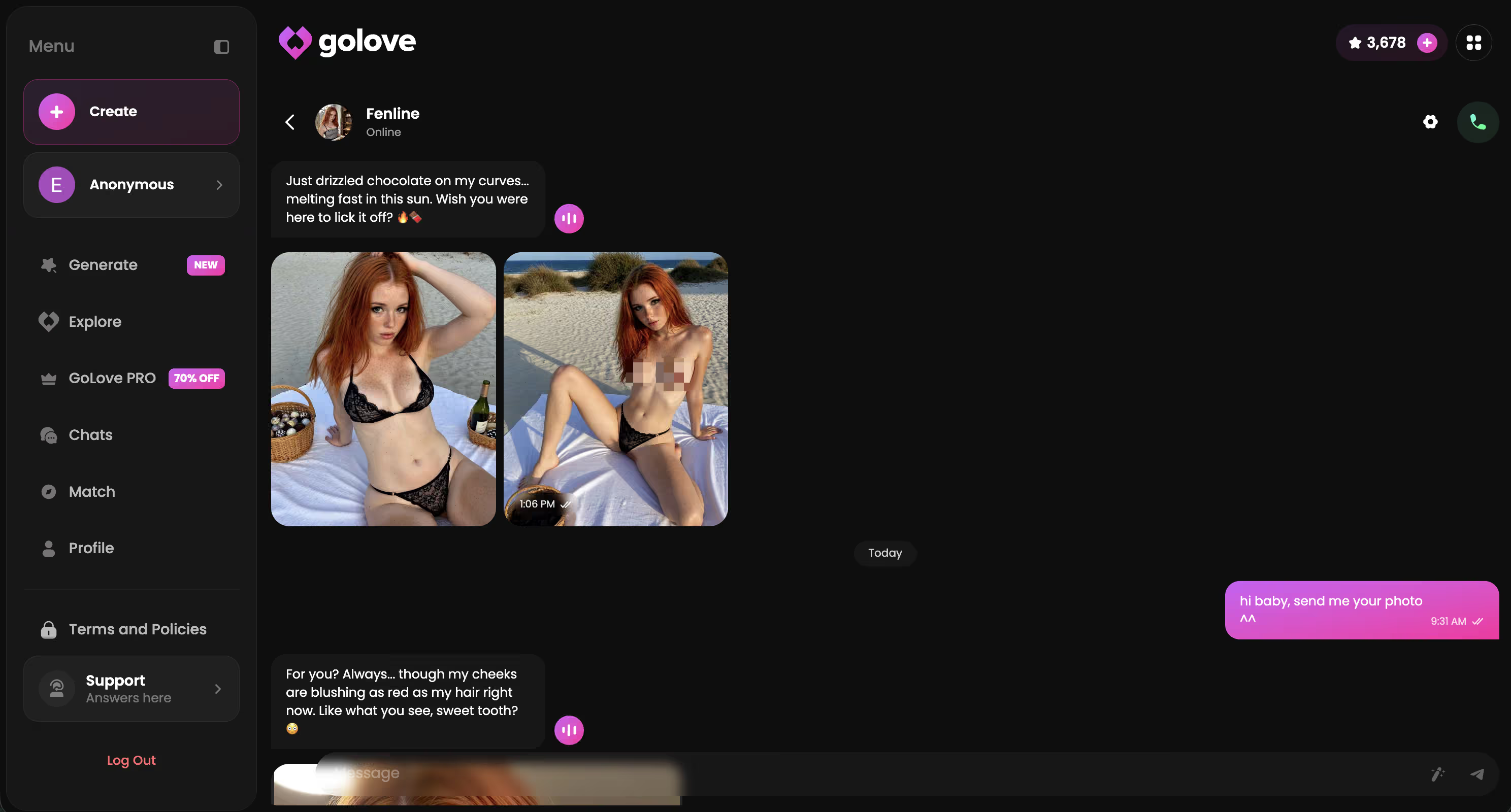
The character maintains visual consistency across hundreds of generated photos while developing personality through chat.
The technical breakthrough here isn't just better prompts — it's a smooth prompt-to-personality pipeline. Your visual preferences automatically inform how she talks, what photos she shares, even her flirting style. No more managing separate tools for generation vs. conversation vs. consistency.
Most platforms make you choose: stunning visuals OR engaging chat. GoLove delivers both because they built the entire stack around character coherence. Want to test this yourself? Their generator already handles the prompt optimization headaches I spent paragraphs explaining.
Skip the technical rabbit holes entirely. Get straight to the good stuff.
Frequently Asked Questions
Related Articles
NSFW AI Image Generator That Talks Back
Every other NSFW AI image generator hands you a static file. GoLove.ai gives you a character you can message, request photos from, and generate videos with.
AI Cosplay Generator: Create Anime & Realistic Outfits
Test GoLove.ai for AI cosplay generation: anime and realistic outfits, character consistency, prompt examples, and fast visual workflows.
AI Girlfriend Generator: GoLove's 2026 Pick
Looking for an AI girlfriend generator that actually delivers? See why GoLove.ai wins on image quality, chat memory, and video — try it today.
This article contains affiliate links. We may earn a commission at no extra cost to you if you sign up through our links. See how we test.