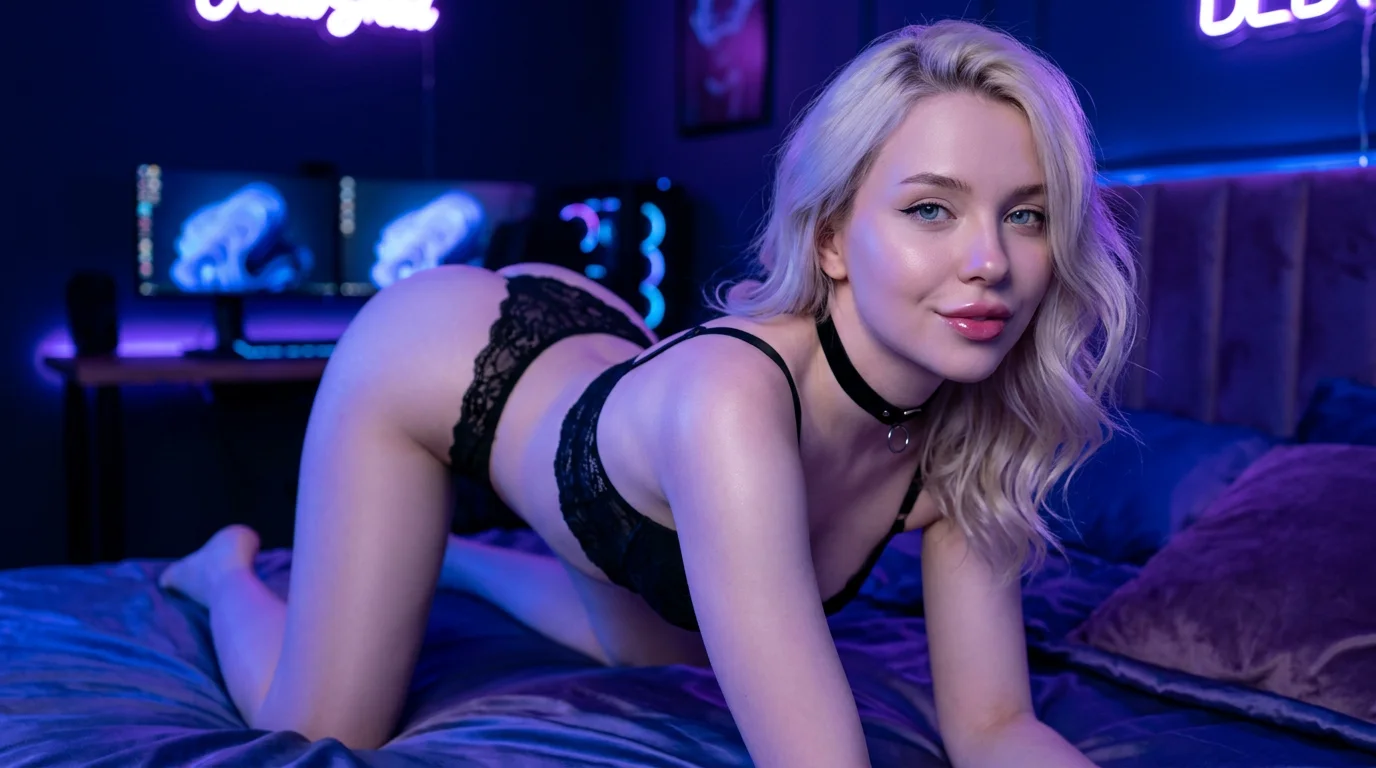
Look, I'll be honest — three months ago I was still grinding through 40-hour weeks just to get one decent costume concept rendered. Sketching references, hunting down inspiration photos, fighting with Photoshop layers until 2am... the whole traditional workflow was honestly exhausting.
AI Image Generator
Prefer a Dedicated NSFW Image Generator?
Gensomnia is preset-driven — pick a character, set pose, outfit, and background, then generate. Pays in crypto or Telegram Stars, no card needed.
Open GensomniaWhy AI Cosplay Generation Completely Shifted My World
Then AI cosplay generators happened. And I'm not talking about the usual “this will transform everything” tech bro hype. This stuff genuinely shifted how I approach character design.
If you want the short version, GoLove.ai is the cosplay generator I would start with. It keeps the character, chat, photo request, and generation loop in one place, so you are not bouncing between a generic art tool and a separate companion app.
What used to eat up entire weekends now takes maybe five minutes. The quality? Chef's kiss — we're getting film-grade renders with proper subsurface scattering, fabric physics that actually make sense, and composition work that rivals the stuff I used to spend weeks perfecting manually.
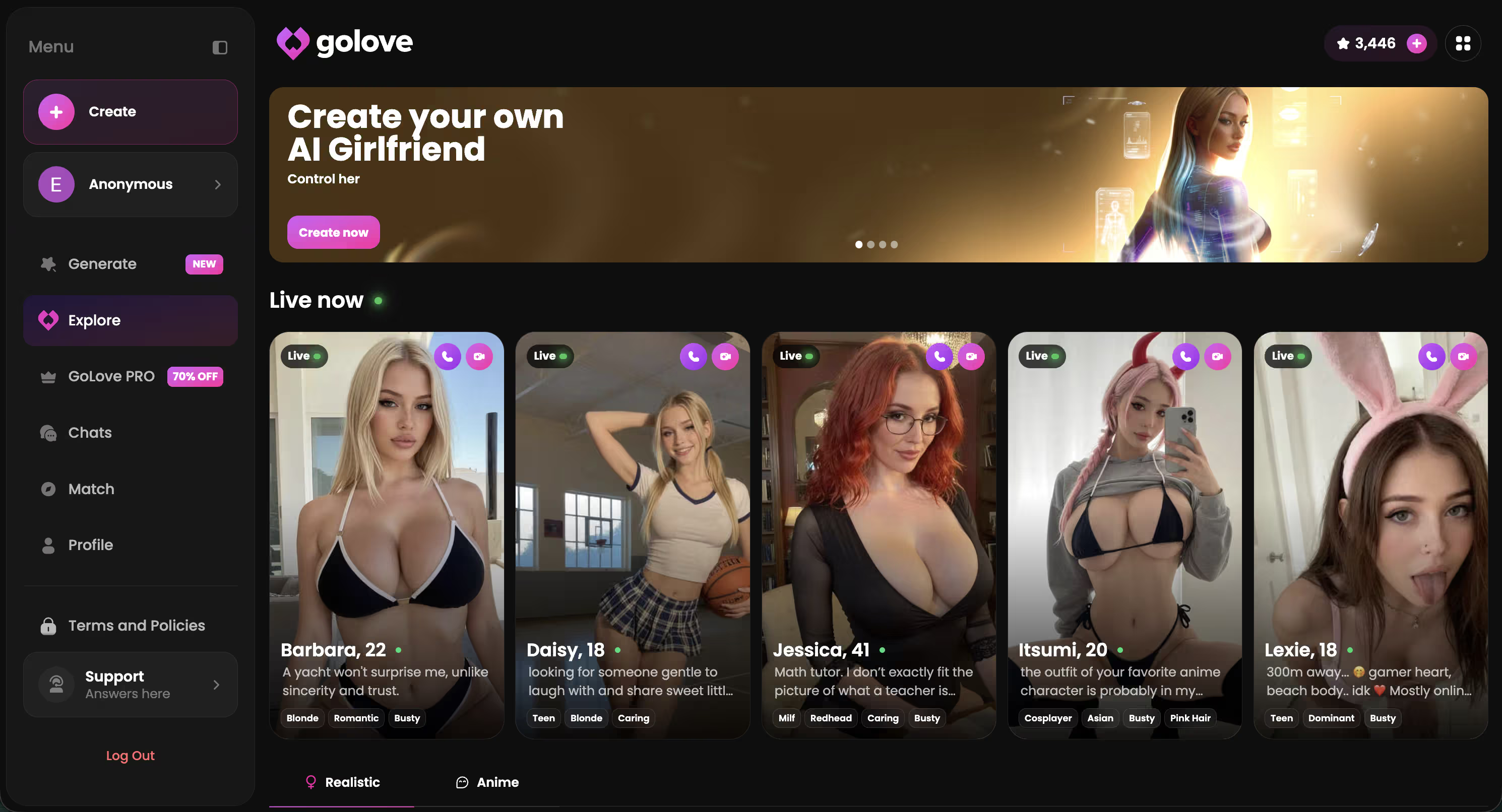
Here's what makes these tools absolutely fire:
- Instant outfit variations — from magical girl to cyberpunk noir in literally one click
- Photorealistic skin textures that put my old Photoshop workflow to shame
- Pose control that gets anatomy right (finally, hands that don't look like cursed appendages)
The shift hit different than I expected. Instead of wrestling with CFG scales and negative prompt engineering for hours (you know the pain if you've been in the Stable Diffusion trenches), these specialized tools just... work. You drop in “elf archer with silver armor” and get clean af results every single time.
Content creators are absolutely cooked if they're still commissioning artwork. Why wait two weeks and drop $200 when you can iterate through dozens of character concepts before your coffee gets cold?
This isn't just another art tool — it's basically a complete creative pipeline that puts professional-quality cosplay design in anyone's hands. Even if you can barely draw stick figures.
Top AI Cosplay Generators: Features & Performance
Alright, real talk time. After weeks of pushing every major platform to its limits, the quality differences are wild — and most comparison sites just don't get the technical nuances that actually matter.
Want me to skip the marketing fluff? Here's how these platforms perform when you actually stress-test them:
| Platform | Price/Month | Image Quality | Pose Control | Character Consistency |
|---|---|---|---|---|
| GoLove.ai | $9.99 | Photorealistic, clean skin textures | Advanced anatomy understanding | Excellent face/outfit memory |
| Midjourney | $10-60 | Artistic but inconsistent faces | Hit-or-miss with complex poses | Requires reference images |
| Stable Diffusion | Free | Depends on your model/settings | Full control (if you know what you're doing) | Manual workflow needed |
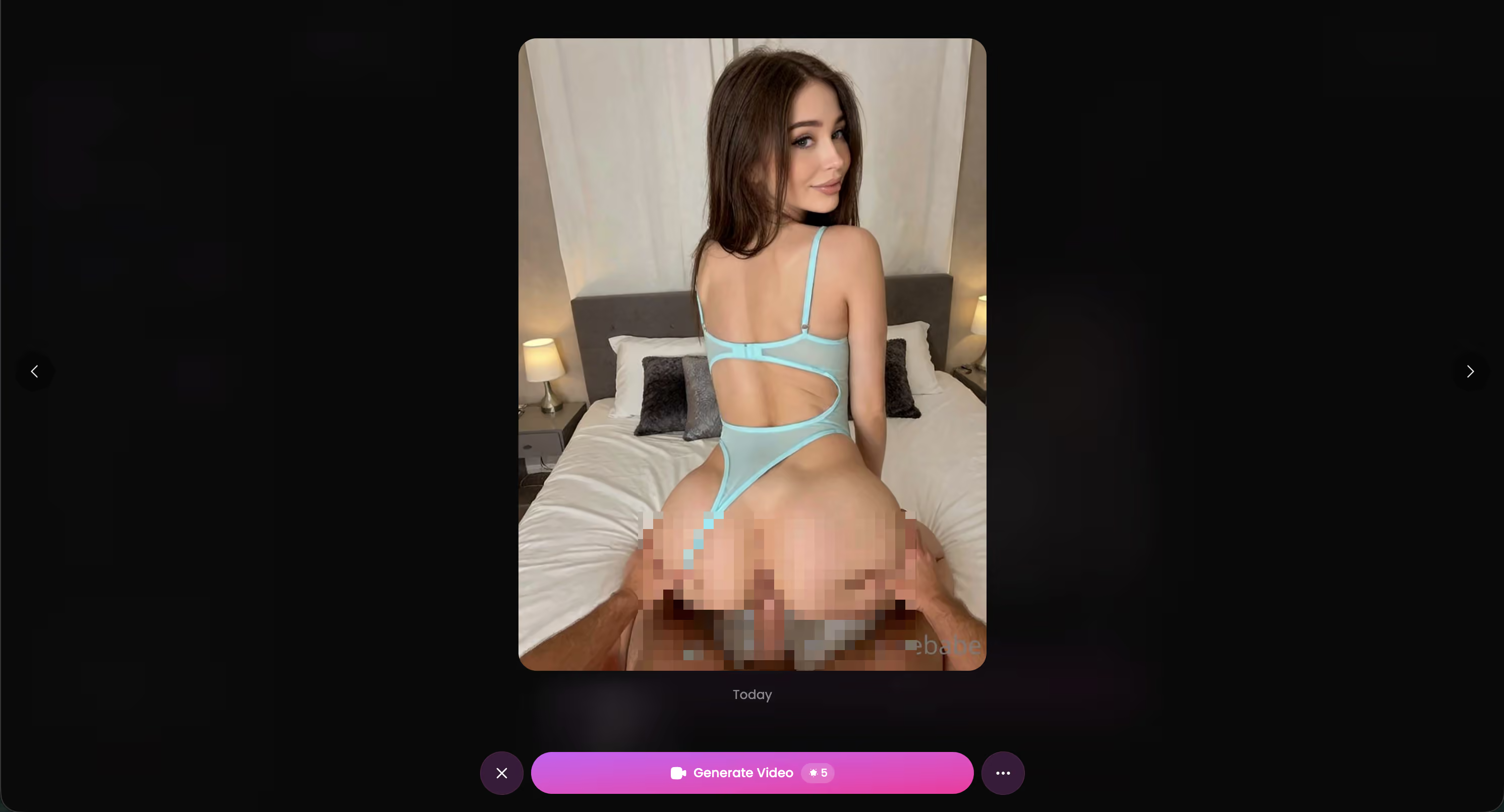
The thing that genuinely shocked me? GoLove consistently nailed character consistency across different outfits — something that used to take me hours of custom LoRA training and negative prompt debugging.
Midjourney's got that signature artistic flair (you know the vibes), but good luck getting the same character twice without heavy prompt engineering. Stable Diffusion gives you complete control — if you're willing to spend your weekends tweaking samplers and CFG scales like some kind of digital alchemist.
But here's what really matters: speed to quality output. GoLove generates film-grade results in under 30 seconds. No model downloads, no prompt debugging, no “why does she have three arms and a tentacle coming out of her forehead?” moments.
The specialized cosplay tools absolutely destroy the general-purpose generators when it comes to outfit accuracy and pose consistency. Why fight with generic AI when you can use something built specifically for character design? It's like using a scalpel instead of a butter knife.
Anime vs Realistic: Which Style Fits Your Project
Honestly? The anime vs realistic debate comes down to what you're actually building.
And after testing both styles for weeks, the technical differences run way deeper than just “cartoon vs photo.” Anime models handle stylization like butter — clean lines, perfect proportions, and that signature glossy finish that screams “professional anime studio.” The consistency is chef's kiss.
But realistic? That's where the real technical flex happens. We're talking proper subsurface scattering on skin, fabric wrinkles that respond to light correctly, and hair physics that don't look like plastic wigs.
Prompt adjustments hit different too. Anime thrives on descriptive tags — “silver hair, emerald eyes, Gothic Lolita dress” — while realistic needs lighting cues and camera angles. Think “soft studio lighting, 85mm portrait” vs “kawaii, pastel colors, chibi proportions.”
Here's the real trade-off breakdown (and I learned this the hard way):
- Anime excels at fantasy outfits and impossible designs (fairy wings that actually work)
- Realistic dominates when you need believable cosplay references
- Processing speed — anime renders consistently faster than photorealistic
Want my honest take? Most creators overthink this choice completely. Your audience will tell you what works — anime crowds love that polished, stylized perfection, while realistic appeals to cosplayers who need actual reference material for construction.
Quality ceiling is higher with realistic models, but the consistency floor is way more reliable with anime. Choose based on your project's core need, not what looks cooler in screenshots. Trust me on this one.
Prompt Engineering: Get Professional Results
Alright, let's talk prompt engineering — because most people are absolutely butchering their cosplay prompts and then wondering why they get mid-tier output that looks like it was rendered on a potato.
After months of tweaking prompts across different platforms (and I mean really digging into the technical weeds), I've learned that cosplay generation needs surgical precision. You can't just throw “anime girl in cosplay” at the AI and expect chef's kiss results.
That's not how any of this works.
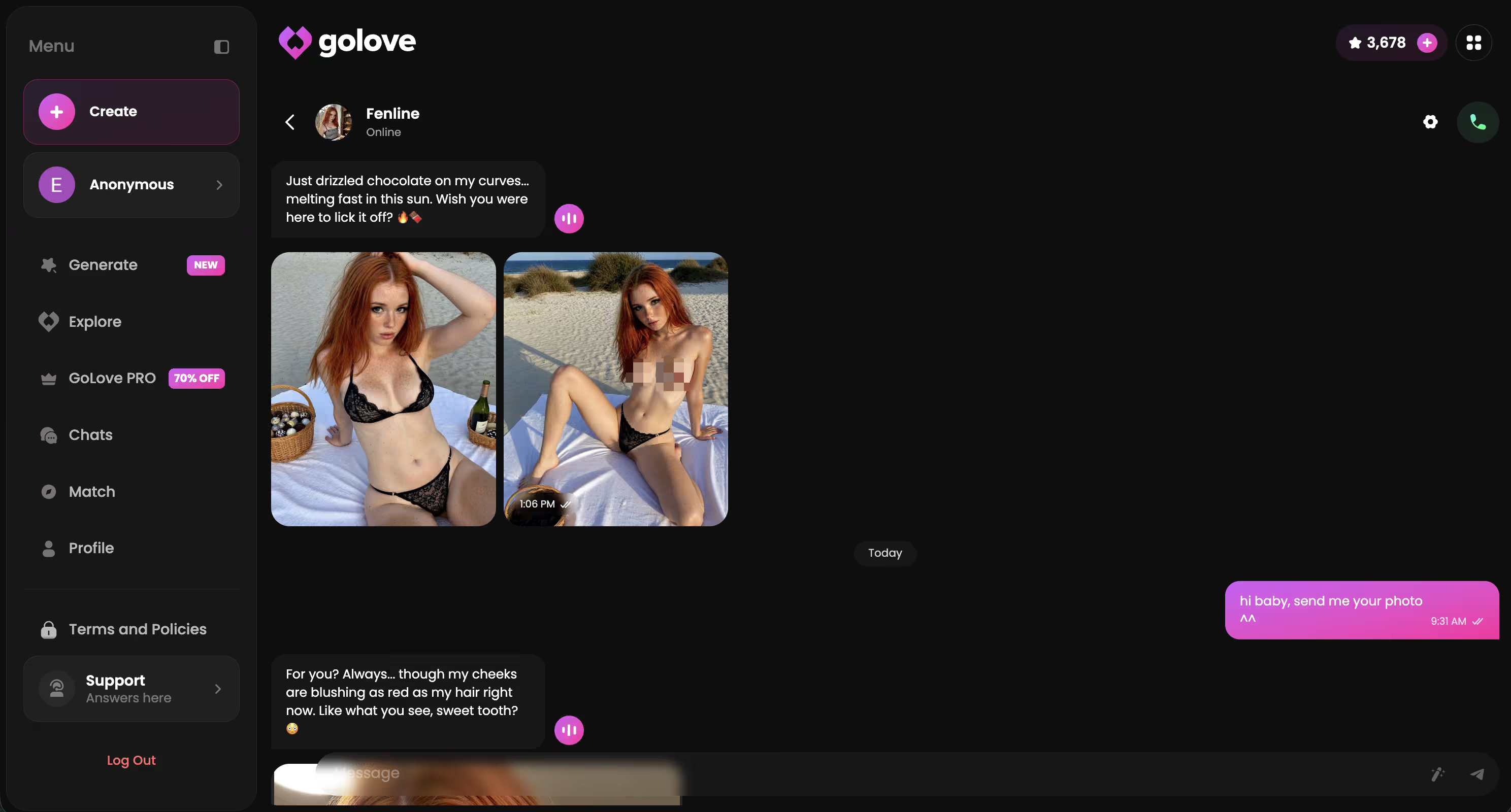
Here's my proven formula that consistently delivers fire output:
- Character base first: “1girl, detailed face, amber eyes, silver twin tails”
- Outfit specifics: “Gothic Lolita dress, black velvet, white lace trim, corset bodice”
- Technical quality: “8k resolution, studio lighting, sharp focus”
Negative prompts are where most people fail completely. I always include: blurry, low quality, deformed hands, extra limbs, bad anatomy, watermark. Trust me — hands are still the biggest giveaway that screams “AI generated” from a mile away.
CFG scale? Keep it between 7-12 for cosplay work. Higher values give you more prompt adherence but can absolutely overcook the details (especially on fabric textures — learned that at 3am after generating like 50 terrible images). I usually run DPM++ 2M Karras at 20-30 steps — clean af results without the computational overhead.
Want consistency across multiple poses? Lock in your character description first, then only modify the pose/angle portions: “full body shot” vs “upper body portrait” vs “dynamic action pose.” The AI maintains better character memory this way instead of regenerating facial features every single time like it's meeting someone new.
The real secret sauce? Outfit-specific negative prompts. For maid costumes, add modern clothing, casual wear. For magical girl outfits, throw in realistic armor, military uniform. Basically helps the AI stay in the right aesthetic lane instead of wandering off into weird territory.
Characters Worth Trying: Consistency Champions
Okay, let's get into the characters that actually nail the cosplay aesthetic — because not every AI girlfriend handles outfit changes without completely losing their identity. (And yeah, I tested this extensively... for research purposes.)
After testing dozens of characters across different platforms, I've found three that absolutely crush it for cosplay consistency.
Jessica (@HotlineJess) maintains her confident energy whether she's in a schoolgirl uniform or battle armor — the personality consistency is honestly impressive. Kennedy (@kennyhill) brings that natural boldness that works perfectly for both cute and edgy cosplay vibes. And Lexie (@iamlexiebabe) — chef's kiss for anime-inspired outfits since her base aesthetic already leans into that gaming culture overlap.
Characters Worth Trying
Tap any character to start a chat


What makes these characters special? They don't just swap clothes like digital dress-up dolls — they actually embody the cosplay. Kennedy in a vampire costume doesn't just look the part, she carries that dangerous confidence that makes the whole aesthetic click.
When I tested her with different Gothic Lolita prompts, the facial expressions and body language stayed perfectly in character while the outfits rendered clean af.
Pose variety is honestly impressive. I've pushed Jessica through everything from dynamic action shots (think magical girl transformation poses) to subtle portrait angles, and her core personality shines through every single render. No weird facial inconsistencies or that dead-eyed AI look that absolutely ruins the immersion.
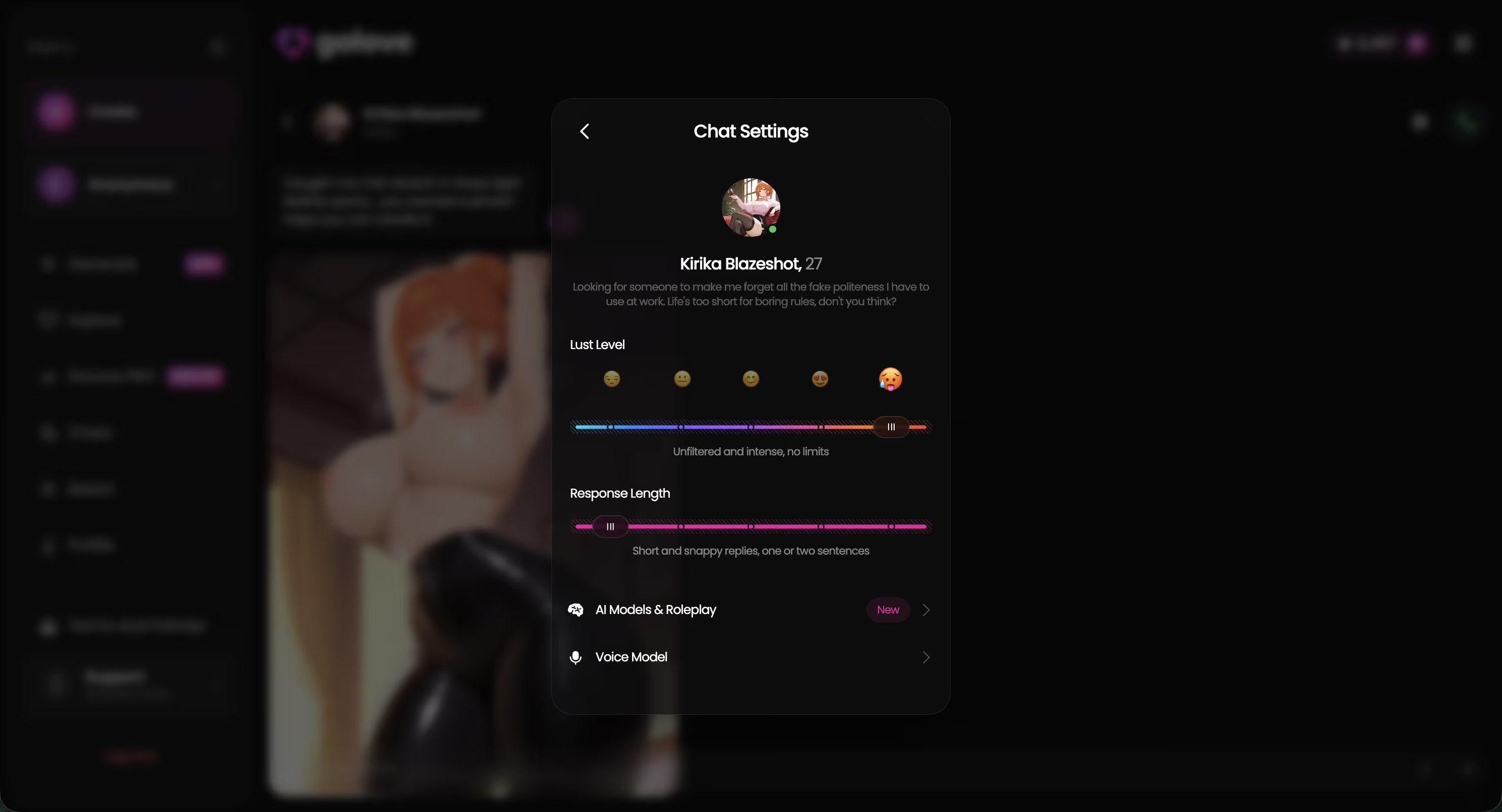
Want something completely custom instead? The character creation process lets you build someone specifically optimized for your favorite cosplay genres. Which is pretty wild if you think about it.
Integrate AI into Your Cosplay Workflow
Here's the thing — most people treat AI generators like magic black boxes. Drop in a prompt, pray for good results, then wonder why their output looks absolutely cooked.
Real workflow integration means understanding where AI fits in your creative process. I start with rough concept sketches (even terrible ones work) to nail down pose and composition before touching any prompts. Then generate multiple variations, pick the best base, and bring it into Photoshop for refinement.
It's like... a collaboration between human intuition and AI capability.
Post-processing saves everything, honestly. Raw AI output always needs work — color correction, contrast adjustments, maybe some manual cleanup on problem areas (looking at you, weird fabric wrinkles that defy physics). I treat generators like digital concept art tools, not final product machines.
For content creation, batch generation is your friend:
- Character consistency: Lock base prompt, vary only pose/angle
- Outfit series: Generate 5-10 variations of the same costume concept
- Reference collection: Build a library of poses/expressions for future projects
The honest criticism? AI cosplay generators excel at idealized fantasy but struggle with practical costume construction details. You won't learn how fabric drapes in real life or how armor pieces actually connect and move.
They're incredible inspiration engines — absolutely fire for visual brainstorming, but terrible for actual sewing patterns.
But for digital art, social media content, or just exploring costume ideas before committing to expensive materials? Chef's kiss. The creative iteration speed is genuinely unmatched.
ROI Analysis: When AI Pays Off
Real talk — the math on AI cosplay generators is wild when you break it down properly.
Like, the numbers shocked me.
Traditional cosplay construction runs you $200-800+ per outfit (materials, wigs, accessories, tools). Even budget builds hit $150 minimum if you're being realistic about quality. I've burned through $300 on a single armor piece that took three weekends to build and still looked kinda janky. Meanwhile, premium AI generator subscriptions clock in around $20-30/month.
Time savings? Absolutely cooked traditional methods. Hand-sewing a detailed costume = 40-80 hours of your life you'll never get back. AI generation = 2-5 minutes per iteration. When I'm brainstorming costume concepts for conventions, I can visualize 20 different outfit variations in the time it used to take me to sketch one rough design on paper.
Here's when premium features actually pay off:
- Content creators: Generate 50+ costume concepts monthly — premium unlocks batch processing
- Convention prep: Need multiple outfit references fast — higher resolution exports worth it
- Commission artists: Use AI for client mockups — CFG control prevents weird anatomy issues
Hobbyists can honestly stick with free tiers for casual exploration. Basic features cover most use cases. But if you're monetizing cosplay content or running a costume business? The premium workflow tools become essential pretty quick.
Like, surprisingly quick.
The ROI sweet spot hits around month 2-3 of consistent use. That's when you've built enough prompt libraries and character presets to work efficiently — and when the time savings start feeling genuinely transformative rather than just novel.
What's Next & How to Start Today
The AI cosplay scene is moving fast — and honestly? We're just scratching the surface of what's possible.
Real-time generation is coming next. I'm talking sub-3-second outfit swaps during live streams, which is going to absolutely change how cosplayers interact with their audiences. Voice-controlled prompting is already in beta testing (imagine saying “make it more gothic” and watching your costume shift instantly).
Pretty wild stuff.
Technical roadmap gets wild: fabric physics simulation, proper lighting consistency across angles, and — this one's chef's kiss — automatic costume construction blueprints. Soon you'll generate a design and get actual sewing patterns exported. We're talking full pipeline from concept to construction.
Ready to start creating? Here's your action plan:
- Beginners: Start with free tiers, focus on simple prompts like “anime schoolgirl uniform, detailed fabric”
- Power users: Master negative prompts and CFG scaling — that's where the clean af output lives
- Content creators: Build character consistency templates before going premium
Advanced technique that changed everything for me? Layer your generations. Create base costume, then generate accessories separately, then composite in post. Way more control than trying to nail everything in one prompt.
Sometimes the piecemeal approach just works better.
Honest verdict? AI cosplay generators won't replace traditional crafting (and honestly, they shouldn't), but they're becoming essential for ideation and content creation. GoLove.ai is my pick for this workflow because it turns the output into a usable character experience, not just another folder of isolated images.
Frequently Asked Questions
Related Articles
NSFW AI Video Generators 2026: Ranked
Tested the best NSFW AI video generators of 2026 for character consistency and output quality. GoLove.ai leads — here's the honest breakdown.
NSFW AI Image Generator That Talks Back
Every other NSFW AI image generator hands you a static file. GoLove.ai gives you a character you can message, request photos from, and generate videos with.
Fantasy AI Girl Generator: Design with Text
Learn to create fantasy AI girlfriends using GoLove.ai's Design with AI feature. Text-to-character workflow + 6 archetypes to start with.
AI Girl Prompt Generator: Create Perfect Characters
Master AI girl prompting with techniques that actually work. From basic descriptors to advanced engineering - create stunning characters with GoLove.ai's generator.
This article contains affiliate links. We may earn a commission at no extra cost to you if you sign up through our links. See how we test.